 +91 9769720675
 info@hibrandengineering.com


A reliable fire protection system is an essential part of building safety and infrastructure planning. Fire incidents can cause serious risks to human life, property, equipment, and business operations. Implementing suitable fire alarm, firefighting, and fire safety systems helps support early fire detection, timely response, and effective fire protection across different types of buildings.
Hibrand Engineering LLP provides fire alarm, fire fighting, and fire safety solutions designed to meet the safety requirements of residential, commercial, industrial, and institutional facilities. Our approach focuses on understanding building layouts, occupancy requirements, fire risks, applicable safety standards, and project specifications before planning suitable fire protection arrangements.
Whether you are developing a new building, upgrading an existing fire protection system, or planning fire safety infrastructure for an industrial facility, fire protection solutions can be customised according to the project requirements, building conditions, and applicable regulations.
Fire Alarm System Design and Installation Services
A fire alarm system plays an important role in identifying potential fire incidents and alerting occupants so that appropriate emergency response measures can be initiated. A properly planned fire detection and alarm system helps identify smoke, heat, or other fire-related indicators through suitable detection devices and alarm equipment.
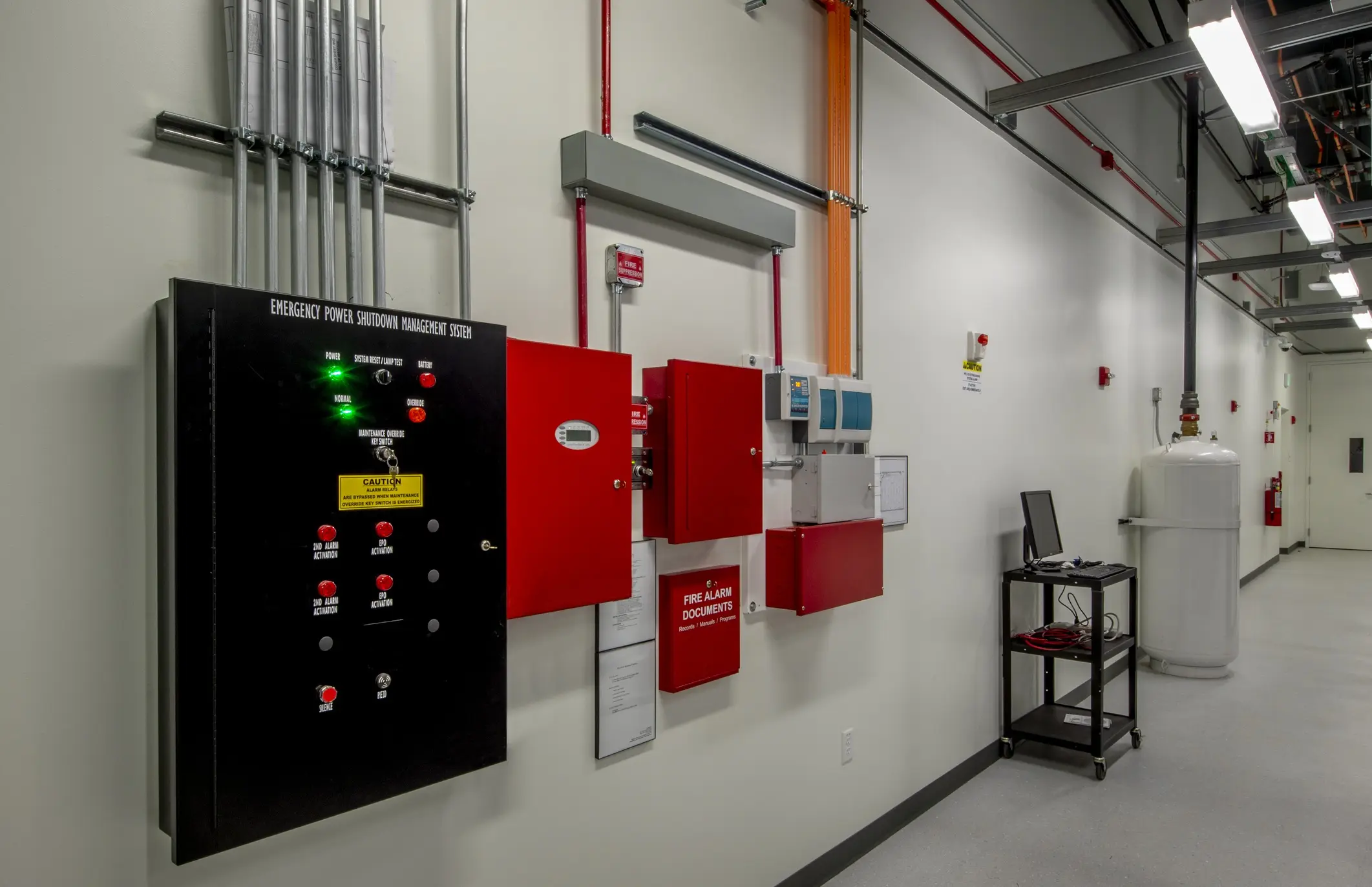
Hibrand Engineering focuses on fire alarm system planning and installation based on building layouts, occupancy types, fire detection requirements, and applicable project specifications.
Our fire alarm system services may include:
- Fire Alarm System Planning and Design: Planning fire detection and alarm arrangements according to building layouts, occupancy requirements, risk assessment, and applicable fire safety standards.
- Smoke Detector Installation: Installation of suitable smoke detection devices to identify smoke generated during potential fire incidents in designated areas.
- Heat Detector Installation: Providing heat detection arrangements for locations where temperature-based fire detection is more suitable according to environmental and operational conditions.
- Manual Call Point Installation: Installation of manual fire alarm activation points to allow occupants to raise an alarm when a fire incident is identified.
- Fire Alarm Control Panel Installation: Installation and integration of fire alarm control panels to receive detector signals, monitor system conditions, and coordinate alarm functions.
- Hooter and Sounder Installation: Providing audible alarm devices to alert building occupants during fire emergencies.
- Addressable and Conventional Fire Alarm Systems: Planning suitable conventional or addressable fire alarm configurations according to building size, system requirements, and project specifications.
- Fire Alarm Testing and Maintenance: Inspection and functional testing of installed equipment to check system operation and identify maintenance requirements.
The objective is to develop a dependable fire detection and alarm arrangement that supports early warning, occupant awareness, and coordinated emergency response.
Fire Fighting System Design and Installation Services
Fire fighting systems are designed to help control or extinguish fires using appropriate equipment and suppression arrangements. Selecting suitable fire fighting systems depends on building occupancy, fire load, building height, available water supply, site conditions, and applicable fire protection requirements.
Hibrand Engineering provides fire fighting system solutions based on project requirements, technical specifications, and relevant fire safety provisions.
Depending on the project scope, fire fighting services may include the following:
Fire Hydrant System Installation
A fire hydrant system provides designated water outlets for firefighting operations within and around buildings. These systems are commonly considered for commercial buildings, industrial facilities, residential complexes, and other large infrastructure projects.
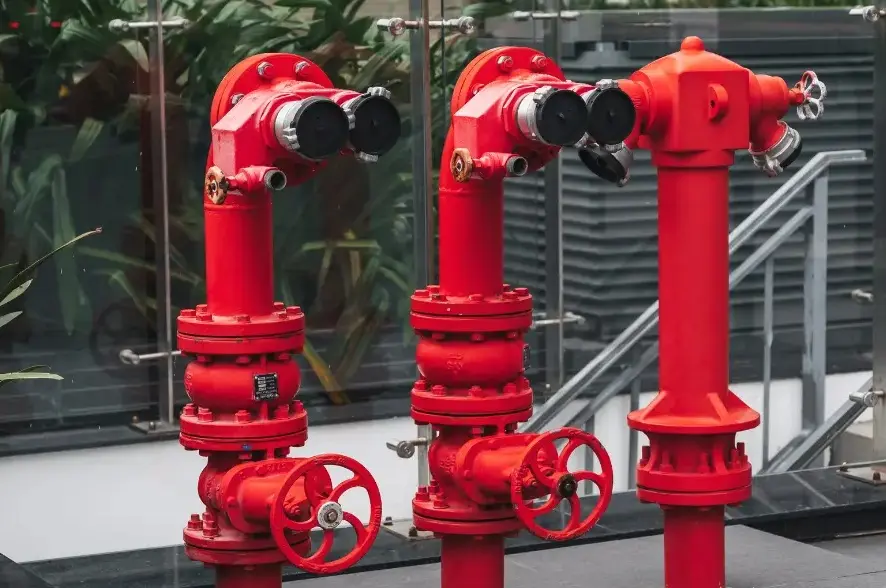
Fire hydrant system installation may include hydrant piping networks, landing valves, internal and external hydrants, hose boxes, hose reels, and associated firefighting accessories according to the approved design.
Fire Sprinkler System Installation
Automatic fire sprinkler systems are designed to discharge water when individual sprinkler heads are activated by sufficient heat. These systems help control or suppress fires in protected areas, depending on the system design and fire conditions.
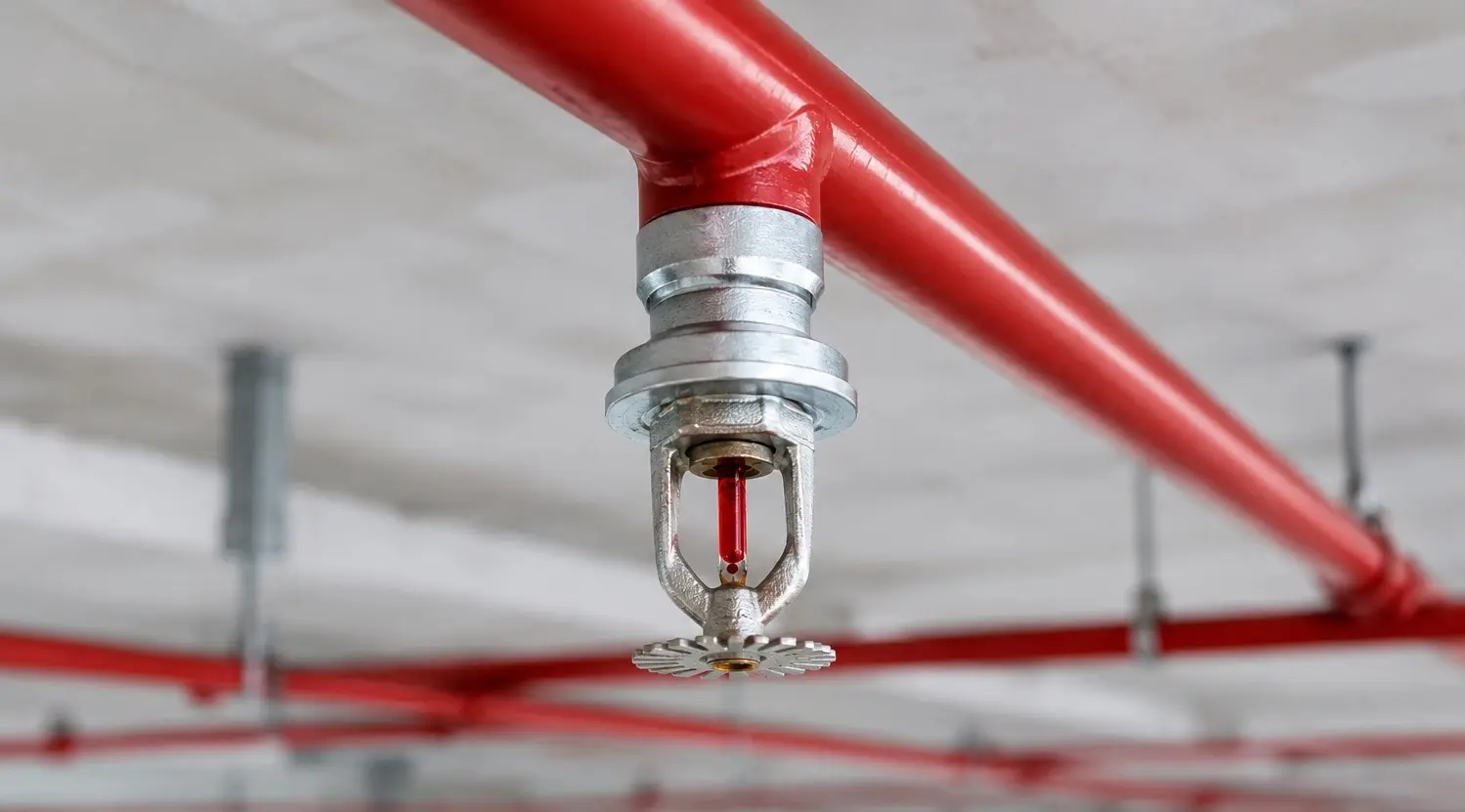
Sprinkler system solutions may include piping networks, sprinkler heads, control valves, alarm valves, flow switches, and other associated components based on the building’s fire protection requirements.
Fire Pump Room and Pump Installation
Fire pumps are an important component of many water-based fire protection systems. They help provide the required water flow and pressure to designated firefighting networks.
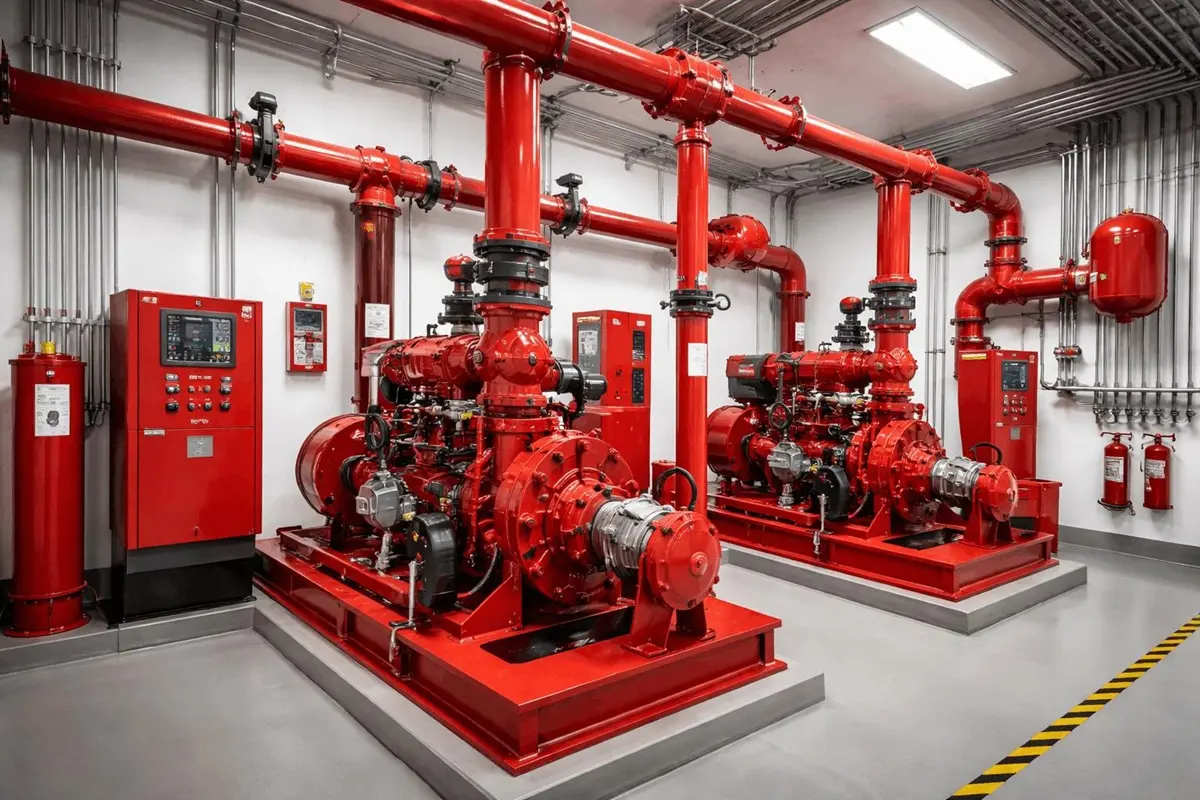
Fire pump arrangements may include main fire pumps, standby pumps, jockey pumps, pump controllers, associated piping, and other equipment according to hydraulic calculations and project specifications.
Fire Extinguisher Supply and Installation
Portable fire extinguishers provide an important first-response firefighting facility for suitable fire classes and applications. Different types of extinguishers are selected according to the nature of combustible materials and potential fire hazards.
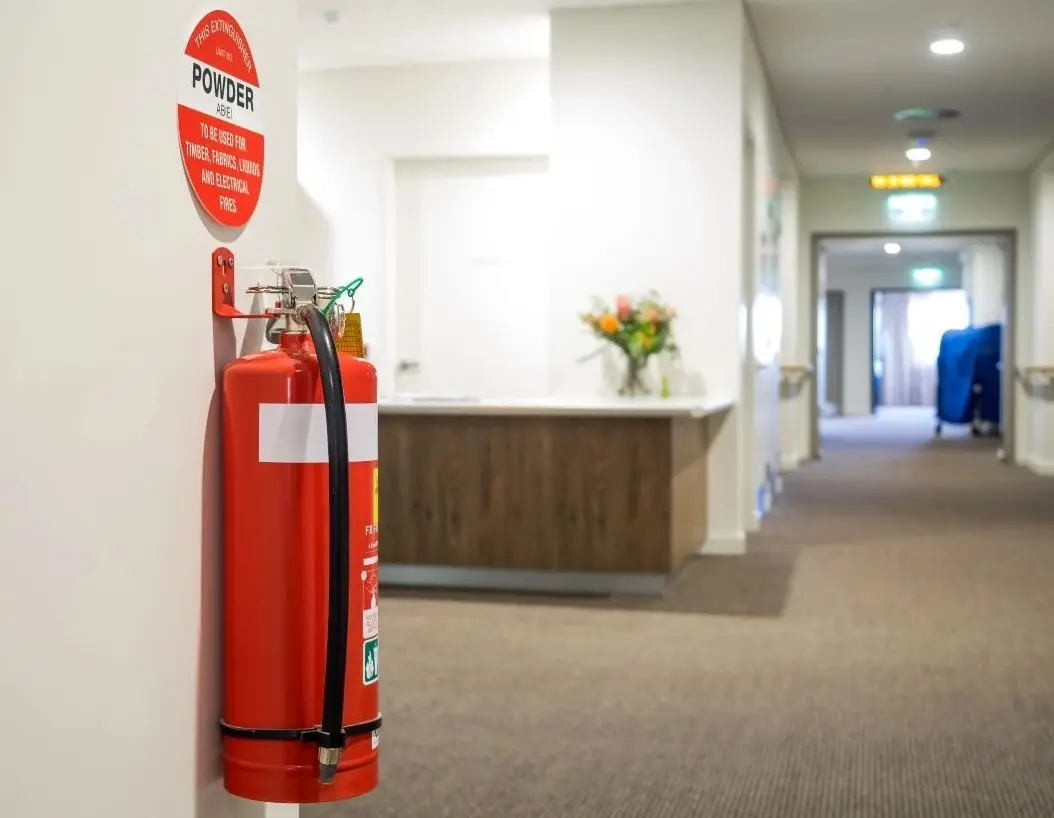
Fire extinguisher arrangements may include:
- ABC dry chemical powder fire extinguishers.
- CO2 fire extinguishers.
- Foam-based fire extinguishers.
- Water-based fire extinguishers.
- Specialised extinguishers for specific fire risks.
Selection, placement, accessibility, inspection, and maintenance should follow the applicable fire safety requirements and equipment specifications.
Fire Hose Reel and Hose Cabinet Installation
Fire hose reels and hose cabinets provide access to firefighting water equipment at designated locations within buildings.
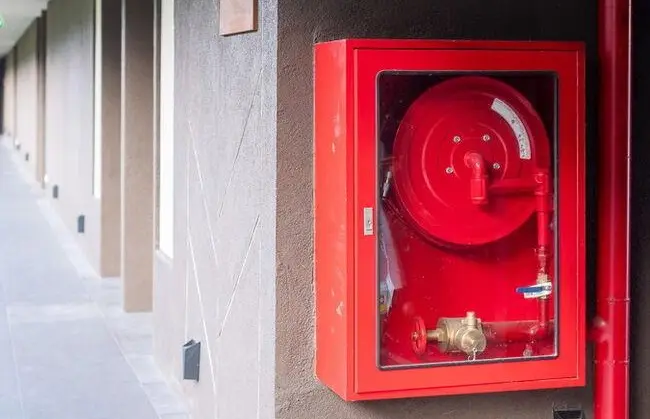
Installation may include hose reels, fire hoses, branch pipes, nozzles, hose cabinets, and associated connections as specified in the fire protection design.
Clean Agent and Special Fire Suppression Systems
Certain locations contain sensitive electrical equipment, data infrastructure, machinery, or specialised materials where conventional water-based fire suppression may not be suitable.
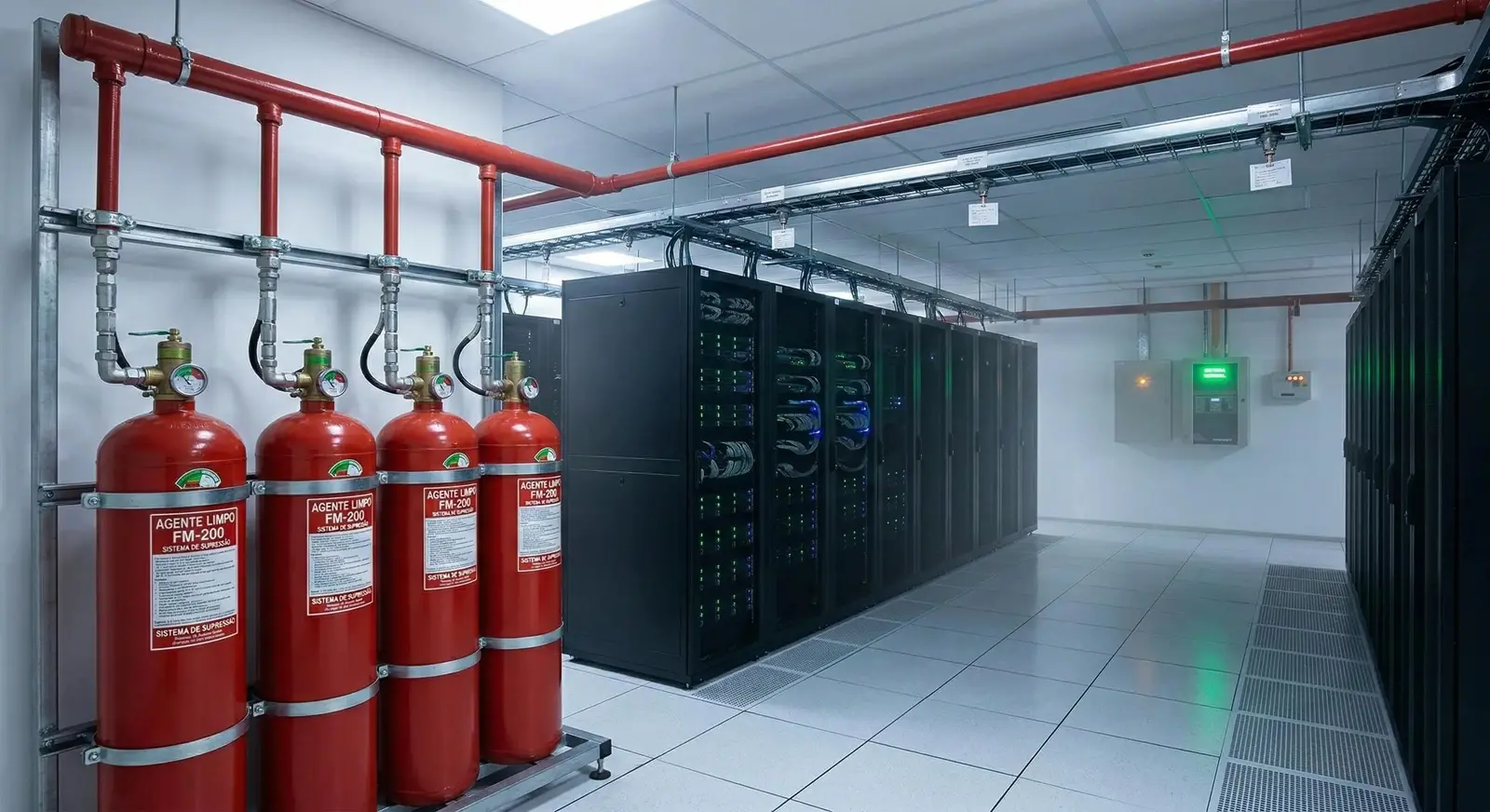
Depending on the identified fire hazards and application, specialised fire suppression solutions may include clean agent systems and other engineered suppression arrangements for server rooms, control rooms, electrical rooms, and other protected enclosures.
Fire Safety Solutions and Emergency Protection Systems
Fire safety involves more than installing fire alarm and firefighting equipment. It also includes planning safe evacuation arrangements, emergency communication, suitable fire protection provisions, and regular inspection of safety equipment.
Hibrand Engineering considers the overall fire safety requirements of a building while developing suitable fire protection solutions.
Our fire safety solutions may include:
- Emergency Exit and Evacuation Planning: Considering designated escape routes, exit accessibility, and evacuation arrangements according to building occupancy and applicable safety requirements.
- Emergency Lighting Systems: Providing suitable emergency lighting arrangements to support visibility along designated escape routes during power interruptions.
- Exit Signage Installation: Installation of appropriate exit signs and directional signage to help occupants identify designated evacuation routes.
- Fire Safety Equipment Installation: Providing suitable fire safety equipment and accessories according to project specifications.
- Fire Compartmentation Coordination: Considering fire-resistant separation arrangements, fire doors, and suitable fire-stopping provisions as part of the overall building fire protection strategy.
- Fire Safety Inspection: Reviewing installed fire protection equipment and identifying visible deficiencies or maintenance requirements.
- Fire Safety Documentation: Supporting project-related technical documentation, equipment schedules, testing records, and other agreed documentation requirements.
- Fire Safety System Maintenance: Periodic inspection and maintenance planning to help maintain the operational condition of fire protection equipment.
A coordinated fire safety approach helps improve emergency preparedness and supports the protection of building occupants and assets.
Fire Alarm and Fire Fighting System Design and Execution Process
A systematic approach is important when planning and implementing fire protection systems. Each building has different fire risks, occupancy requirements, and technical conditions. Therefore, fire alarm and firefighting arrangements should be developed according to the specific project requirements.
A typical fire protection project involves the following stages:
1. Understanding Project Requirements: The initial stage involves understanding the building type, occupancy, project scope, intended use, and fire protection requirements. This helps establish the overall system requirements.
2. Site Assessment and Fire Risk Evaluation: The site is evaluated to understand building layouts, floor areas, occupancy patterns, potential fire hazards, existing safety arrangements, and available infrastructure.
3. Fire Protection System Design and Planning: Suitable fire alarm, detection, firefighting, and emergency safety arrangements are planned according to the building requirements and applicable regulations.
4. Equipment and Material Selection: Appropriate fire alarm panels, detectors, sprinklers, hydrants, pumps, valves, extinguishers, and associated components are identified according to approved technical specifications.
5. Installation and System Integration: The approved fire protection systems are installed and coordinated with relevant building services, electrical infrastructure, and other required systems.
6. Testing and Commissioning: Installed equipment and system functions are inspected and tested according to the applicable standards, manufacturer recommendations, and approved commissioning procedures.
7. Final Inspection and Project Handover: The completed installation is reviewed, required documentation is compiled, and identified deficiencies are addressed according to the agreed project scope.
Fire Protection Solutions for Different Buildings and Industries
Fire protection requirements vary depending on building occupancy, construction, building height, operations, and potential fire hazards. A residential building may require different fire protection arrangements compared with a manufacturing facility, warehouse, or commercial complex.
Hibrand Engineering LLP provides project-oriented fire protection solutions for different types of buildings and facilities.
- Residential Buildings and Housing Complexes: Fire alarm, detection, firefighting, and emergency safety arrangements for apartments, residential towers, housing societies, and other residential developments.
- Commercial Buildings and Office Spaces: Fire protection solutions for corporate offices, business centres, shopping complexes, retail premises, and commercial establishments.
- Industrial Facilities and Manufacturing Units: Fire alarm and firefighting arrangements for factories, production facilities, workshops, and industrial premises based on identified fire hazards and operational requirements.
- Warehouses and Logistics Facilities: Fire protection planning for storage facilities, distribution centres, logistics hubs, and warehouses, considering storage arrangements and commodity-related fire risks.
- Hospitals and Healthcare Facilities: Fire safety arrangements for healthcare buildings, considering patient occupancy, emergency movement, critical areas, and applicable healthcare building requirements.
- Hotels and Hospitality Properties: Fire alarm, detection, firefighting, and evacuation arrangements for hotels, restaurants, resorts, and hospitality establishments.
- Educational and Institutional Buildings: Fire protection solutions for schools, colleges, training centres, and other institutional premises.
- IT Parks and Data Centres: Specialised fire detection and suppression arrangements for server rooms, electrical infrastructure, control rooms, and other sensitive equipment areas.
Each project is evaluated individually to identify suitable fire protection measures according to the building layout, occupancy, fire risk, and applicable statutory requirements.
Important Factors to Consider Before Installing Fire Protection Systems
Selecting and installing suitable fire protection systems requires proper technical evaluation. Considering important factors during the planning stage helps ensure that the proposed systems are appropriate for the building and its intended use.
- Building Type and Occupancy: Consider the building’s purpose, occupancy classification, number of occupants, and operating conditions before selecting fire protection systems.
- Fire Risk Assessment: Identify potential fire hazards, combustible materials, electrical risks, storage conditions, and other relevant fire risk factors.
- Applicable Fire Safety Regulations: Ensure that system planning considers applicable National Building Code provisions, relevant Indian Standards, local fire department requirements, and other statutory obligations.
- Fire Detection Requirements: Select suitable smoke detectors, heat detectors, manual call points, and alarm devices according to the environmental conditions and intended application.
- Fire Water Supply: Evaluate the availability of water storage, required flow, pressure, pump arrangements, and other hydraulic requirements for water-based firefighting systems.
- Equipment Quality and Compatibility: Select suitable fire protection equipment that meets applicable specifications, certification requirements, and system compatibility needs.
- Emergency Access and Evacuation: Consider emergency exits, escape routes, signage, emergency lighting, and accessibility for occupants.
- System Testing and Maintenance: Plan regular inspection, functional testing, servicing, and maintenance according to applicable standards and manufacturer recommendations.
- Future Expansion Requirements: Consider the possibility of building expansion, changes in occupancy, or modifications to the facility when planning fire protection infrastructure.
- Project Budget and Lifecycle Requirements: Evaluate installation costs, equipment requirements, testing, commissioning, and ongoing maintenance expenses.
Considering these factors helps develop fire protection arrangements that are suitable for the building, its occupants, and its operational requirements.
Why Choose Hibrand Engineering for Fire Safety Solutions?
Choosing an experienced engineering partner is important for planning and implementing reliable fire protection infrastructure. Fire safety systems require coordination between equipment selection, system design, installation, testing, and maintenance.
Hibrand Engineering LLP focuses on understanding project requirements and providing practical fire protection solutions through coordinated engineering and execution activities.
- Requirement-Based Fire Protection Planning: Fire alarm and firefighting arrangements are considered according to building layouts, occupancy requirements, and project-specific fire risks.
- Integrated Fire Safety Approach: Coordination of fire detection, alarm, firefighting, and emergency safety requirements as part of an overall building protection strategy.
- Project-Specific Solutions: Fire protection arrangements are planned according to the type of property, site conditions, technical specifications, and applicable requirements.
- Suitable Equipment Selection: Attention to the selection of fire alarm devices, pumps, hydrants, sprinklers, extinguishers, valves, and associated equipment.
- Coordinated Installation and Execution: Focus on coordinating installation activities with building services and other relevant project requirements.
- Testing and Commissioning Focus: Attention to inspection, testing, and commissioning requirements before system handover.
- Quality-Oriented Engineering: Emphasis on equipment suitability, installation quality, technical coordination, and project specifications.
Our objective is to support clients in developing appropriate fire protection infrastructure for their buildings and facilities.
Fire Alarm and Fire Fighting Services Across Multiple Locations
Fire protection requirements differ according to building type, occupancy, location, applicable Indian regulations, and site conditions. Hibrand Engineering LLP undertakes engineering and project requirements across India, based on the location, technical scope, and feasibility of the work.
Our service coverage includes Mumbai and surrounding regions, along with major cities and industrial locations across India. Whether the requirement involves fire alarm installation, fire hydrant systems, sprinkler systems, fire pumps, or integrated fire safety infrastructure, our focus remains on understanding the project requirements and providing suitable engineering solutions.
Project feasibility, execution arrangements, and service availability are evaluated according to the scope of work and site location.
Contact Hibrand Engineering for Fire Alarm and Fire Fighting Solutions
Planning a new fire protection system or looking to upgrade existing fire safety infrastructure?
Hibrand Engineering LLP provides fire alarm, firefighting, and fire safety solutions for residential, commercial, industrial, and institutional projects.
Whether your requirement involves fire detection systems, fire hydrant installation, sprinkler systems, firefighting pumps, portable fire extinguishers, or integrated fire safety arrangements, get in touch with our team to discuss your project requirements.
Hibrand Engineering LLP
Email: info@hibrandengineering.com
Phone: +91 9769720675
Frequently Asked Questions
Q. What are fire alarm and firefighting systems?
Fire alarm systems are designed to detect potential fire incidents and alert occupants through audible or visual warnings. Firefighting systems are designed to help control or extinguish fires using suitable equipment such as hydrants, sprinklers, fire pumps, and portable fire extinguishers.
Q. What services are included in fire safety solutions?
Fire safety solutions may include fire alarm system design, smoke and heat detector installation, fire hydrant systems, sprinkler systems, firefighting pumps, fire extinguishers, emergency lighting, exit signage, fire safety inspections, and maintenance.
Q. What is the difference between a conventional and addressable fire alarm system?
A conventional fire alarm system generally identifies the zone in which an alarm condition occurs. An addressable fire alarm system identifies individual devices and their locations through unique addresses, allowing more detailed system monitoring and event identification.
Q. What are the main components of a fire hydrant system?
A typical fire hydrant system may include fire water storage, fire pumps, piping networks, hydrant valves, landing valves, hose boxes, fire hoses, and associated firefighting accessories. The actual configuration depends on the approved fire protection design.
Q. What is an automatic fire sprinkler system?
An automatic fire sprinkler system is a water-based fire protection arrangement that activates individual sprinkler heads when sufficient heat is detected. It helps control or suppress fires in protected areas, depending on the system design and fire conditions.
Q. Which fire extinguisher is suitable for commercial and industrial buildings?
The appropriate fire extinguisher depends on the type of fire risk. ABC powder, CO2, foam, water-based, and specialised extinguishers may be considered for different applications. Selection should be based on the identified fire hazards and applicable safety requirements.
Q. Are fire alarm and fire fighting systems mandatory for buildings in India?
Fire protection requirements in India depend on building occupancy, height, size, use, applicable building regulations, National Building Code provisions, relevant Indian Standards, and local fire authority requirements. The applicable requirements should be evaluated for each project.
Q. How often should fire protection systems be inspected and maintained?
Fire protection equipment should be inspected, tested, and maintained at the intervals prescribed by applicable standards, statutory requirements, and manufacturer recommendations. Different components may have different inspection and servicing schedules.
Q. Can fire protection systems be installed in existing buildings?
Yes. Fire alarm and firefighting systems can be planned for existing buildings after evaluating the available infrastructure, building layout, occupancy, existing equipment, and applicable safety requirements.
Q. What factors affect the cost of fire alarm and firefighting installation?
The cost depends on building size, occupancy, fire risk, system design, equipment specifications, number of detectors and sprinklers, hydrant network requirements, pump capacity, piping, installation complexity, and testing and commissioning requirements.
Q. How can I get a quotation for fire alarm and fire fighting services?
You can contact Hibrand Engineering LLP with your project location, building layout, floor plans, building type, approximate area, and required fire protection systems. Our team can discuss your requirements and the scope of work needed to prepare a suitable proposal.