 +91 9769720675
 info@hibrandengineering.com


A well-designed interior is more than an attractive arrangement of furniture, colours and decorative elements. It is about creating a space that supports everyday activities, makes efficient use of available areas and provides a comfortable environment. Achieving this requires careful planning, appropriate material selection and proper execution.
Hibrand Engineering LLP provides interior design and execution services focused on developing functional, safe and visually appealing indoor spaces. Our approach considers the purpose of the space, available area, design requirements, lighting, colours and materials to create interiors that balance aesthetics with practical usability.
Whether you are planning a new interior, improving an existing space or developing an interior layout for a commercial property, we work according to your project requirements to bring the proposed design into reality.
Interior Design Services
Interior design begins with understanding how a space will be used and what it needs to accommodate. A suitable design considers movement, furniture placement, lighting, storage and the overall appearance of the environment.
Our interior design approach focuses on developing layouts and design concepts that make the best use of available space while maintaining a consistent appearance.
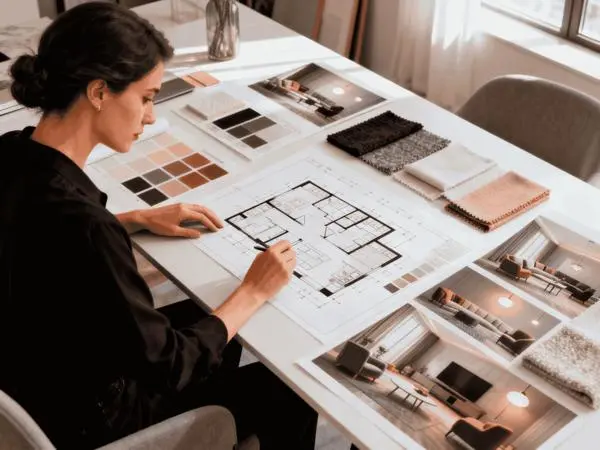
Our interior design services include:
- Space Planning and Layout Design: Organising available areas according to their intended use, furniture requirements and movement patterns to create practical and comfortable spaces.
- Interior Design Concepts: Developing design ideas that establish the overall appearance, style and functional arrangement of the interior.
- Colour Selection: Selecting suitable colour combinations for walls, ceilings, furniture and other interior elements to achieve a balanced visual appearance.
- Lighting Design: Considering natural and artificial lighting requirements to improve visibility, comfort and the atmosphere of different areas.
- Material Selection: Identifying suitable materials and finishes based on appearance, durability, maintenance requirements and project specifications.
- Furniture and Interior Element Planning: Planning furniture arrangements and essential interior elements according to the available space and functional requirements.
The objective is to develop an interior design that is visually consistent, practical to implement and suitable for the intended use of the space.
Interior Design Execution Services
A good interior design needs proper execution to achieve the intended result. Interior execution involves translating the approved design into physical elements through coordinated site work, suitable materials and professional installation.
Hibrand Engineering undertakes interior execution using trained professionals and quality materials, with work planned according to the project requirements and agreed scope.
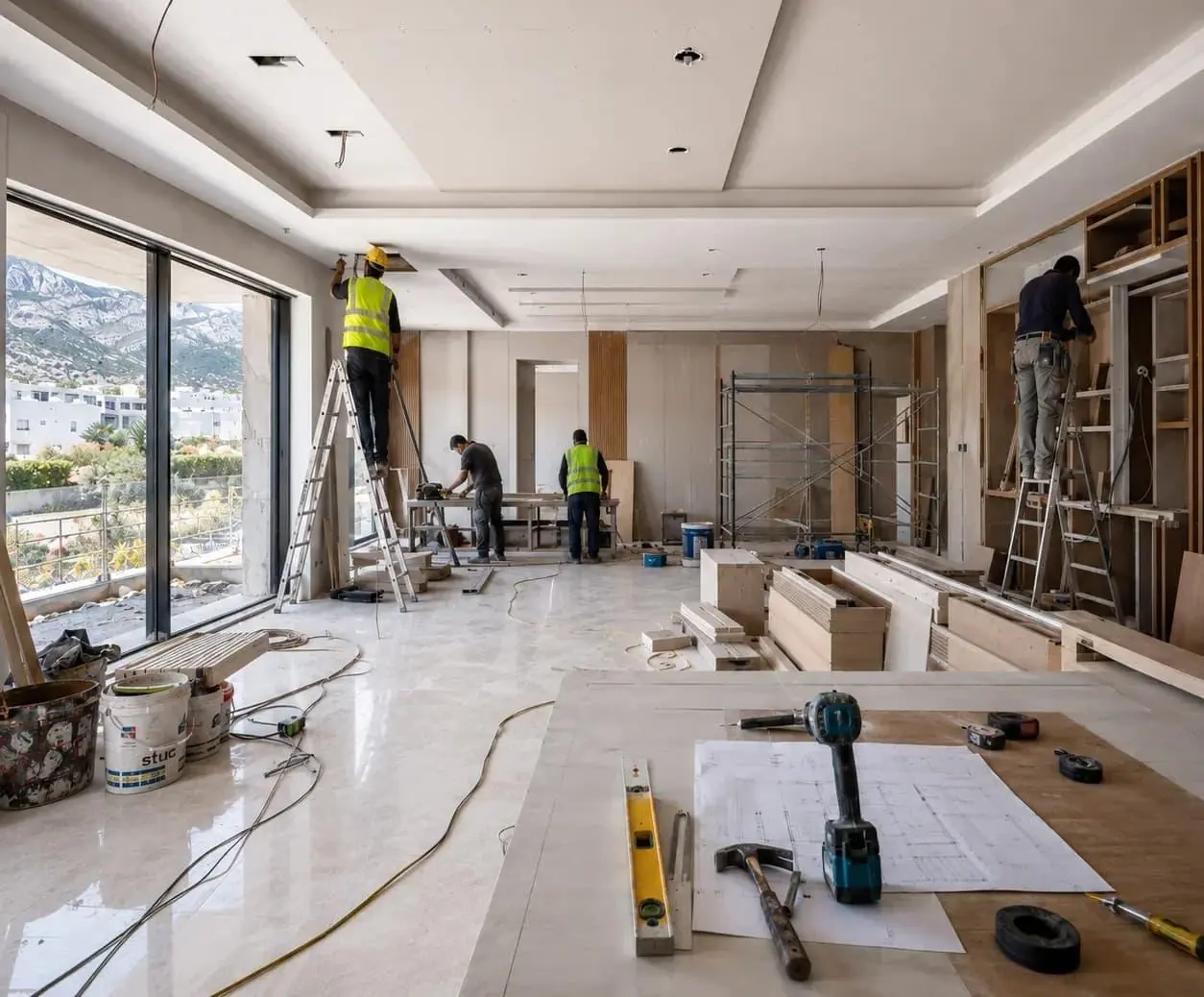
Depending on the project scope, interior execution may include the following activities:
False Ceiling and Ceiling Work
Ceilings contribute to the overall appearance and functionality of an interior. False ceiling installations can accommodate lighting arrangements, conceal selected service installations and create different ceiling designs.
The selection of ceiling materials, design and installation approach depends on the room layout, ceiling height, lighting requirements and project specifications.
Flooring and Wall Finishes
Flooring and wall finishes play an important role in the appearance, durability and maintenance of an interior. Suitable finishes are selected according to the purpose of the space, expected usage and overall design.
Depending on the approved requirements, this work may include floor tile installation, surface finishing, wall treatments, painting and other decorative finishes.
Interior Lighting and Electrical Coordination
Lighting influences both the usability and visual appearance of an indoor environment. Different areas may require general lighting, task lighting or accent lighting depending on their purpose.
Interior lighting arrangements are coordinated with electrical requirements, including the positioning of lighting points, switches, fixtures and associated connections.
Furniture and Storage Solutions
Furniture placement and storage planning help make an interior more organised and functional. The selection and arrangement of furniture should consider available space, movement, comfort and the intended use of each area.
Where included in the project scope, execution may involve furniture installation, storage arrangements, modular elements and other interior fittings.
Painting and Decorative Finishes
Wall and ceiling finishes contribute significantly to the final appearance of an interior. Painting, surface preparation and suitable decorative finishes help establish the desired colour scheme and overall design character.
Material and finish selection is considered according to the design requirements and the expected use of the space.
Interior Design and Execution Process
A structured approach helps maintain coordination between design requirements and actual site execution. Each project is different, but a typical interior design and execution process involves the following stages.
1. Understanding Project Requirements: The first step is to understand the purpose of the space, client expectations, available area and functional requirements. This helps establish the basic direction of the project and identify the elements that need to be included.
2. Site Assessment and Space Planning: The available space is evaluated to understand its dimensions, existing conditions, access points and limitations. Based on this assessment, suitable layouts are developed to organise the space effectively.
3. Design Development and Material Selection: The design is developed by considering colours, lighting, furniture arrangements, materials and finishes. Suitable options are identified according to the intended appearance, practical requirements and project budget.
4. Execution Planning: Before work begins, the approved design requirements and execution scope are reviewed. Materials, installation activities and coordination requirements are considered to establish an organised approach to the work.
5. Interior Work and Installation: The planned interior work is carried out according to the agreed scope and design requirements. Different activities are coordinated to ensure that installations, finishes and interior elements work together as intended.
6. Final Inspection and Completion: Completed work is reviewed to identify finishing issues, installation deficiencies and any items requiring correction. The objective is to ensure that the executed interior meets the agreed project requirements.
Interior Design Solutions for Different Spaces
Interior requirements vary depending on the purpose of a building and the people using it. A residential interior focuses on everyday comfort and convenience, while a commercial interior must also consider operational needs, customer experience and the working environment.
Hibrand Engineering develops interior design and execution solutions according to the functional and aesthetic requirements of each project.
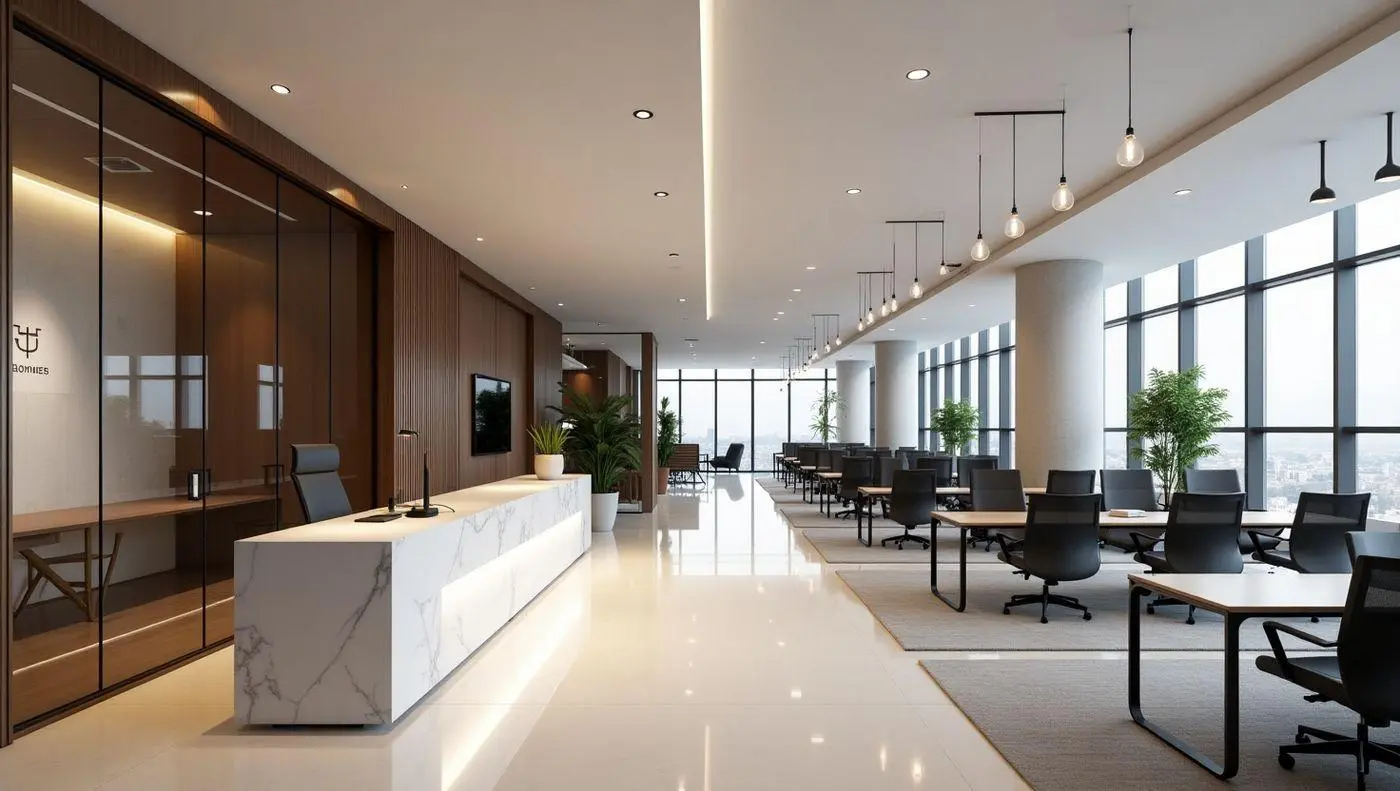
- Residential Interiors: Interior planning for homes and apartments, focusing on comfortable living spaces, practical furniture arrangements, lighting, colour combinations and efficient use of available areas.
- Commercial Interiors: Interior solutions for offices, retail spaces and other commercial environments, considering workspace organisation, customer movement, lighting, furniture and the overall appearance of the premises.
- Other Indoor Environments: Interior design and execution requirements for other facilities can be evaluated according to their intended use, site conditions and project specifications.
Factors to Consider Before Starting an Interior Project
Interior design decisions affect the usability, appearance and long-term maintenance of a space. Considering a few important factors before starting work can help avoid unnecessary changes and improve project coordination.
- Space Utilisation: Plan the layout according to the available area, furniture dimensions, storage requirements and movement within the space.
- Functional Requirements: Consider how each room or area will be used so that its design supports the intended activities.
- Material Quality: Select materials based on durability, appearance, maintenance and suitability for the installation environment.
- Lighting Requirements: Consider natural light, artificial lighting and the lighting needs of different activities.
- Project Budget: Establish a practical budget and prioritise essential design and execution requirements before selecting additional decorative elements.
- Coordination of Services: Consider electrical, plumbing, HVAC and other building services wherever they interact with the interior design and execution work.
- Future Maintenance: Choose finishes, materials and interior arrangements that can be maintained conveniently over time.
Planning these aspects in advance helps create a more organised project and reduces the possibility of avoidable modifications during execution.
Why Choose Hibrand Engineering for Interior Design & Execution?
Selecting the right engineering partner is important for achieving an interior that meets both functional and aesthetic expectations. Hibrand Engineering focuses on understanding project requirements and translating them into practical interior solutions through design planning and professional execution.
- Functionality-Focused Design: Interior layouts and design concepts developed with attention to space utilisation, usability and comfort.
- Attention to Design Details: Consideration of colours, lighting, materials and interior elements to achieve a consistent appearance.
- Professional Execution: Interior work carried out by trained professionals using quality materials according to the agreed project requirements.
- Project-Specific Approach: Design and execution arrangements developed according to the available space, intended application and client expectations.
- Design and Execution Coordination: Attention to the relationship between the proposed design and its practical implementation at the site.
- Quality-Oriented Work: Focus on suitable materials, installation practices and finishing requirements throughout the execution process.
Interior Design & Execution Services Across Multiple Locations
Interior design projects require careful planning based on the property’s purpose, available space, design preferences, and functional needs. Hibrand Engineering LLP provides interior design and execution services for residential, commercial, and other indoor spaces across India.
Our work covers Mumbai, Thane, Navi Mumbai, Pune, Nashik, and other major cities, subject to project scope and feasibility. Each project is assessed individually to determine the appropriate design approach, materials, execution requirements, and coordination.
From residential interiors to commercial offices and functional workspaces, we focus on creating practical, well-planned environments that balance aesthetics, comfort, and efficient use of space.
Contact Hibrand Engineering for Interior Design & Execution
Planning a new interior or looking to improve an existing space? Hibrand Engineering LLP provides interior design and execution services focused on functional layouts, suitable materials, lighting arrangements and professional implementation.
Whether your requirement involves residential or commercial interiors, get in touch with our team to discuss your project, understand the available solutions and plan the next steps.
Hibrand Engineering LLP
Email: info@hibrandengineering.com
Phone: +91 9769720675
Frequently Asked Questions
Q. What do interior design and execution services include?
Interior design and execution services generally include space planning, layout development, colour and material selection, lighting planning and implementation of approved interior designs. Depending on the project scope, execution may also involve ceiling work, flooring, painting, furniture installation and related electrical coordination.
Q. What is the difference between interior design and interior execution?
Interior design focuses on planning how a space should look and function, including its layout, colours, lighting, materials and furniture arrangements. Interior execution involves implementing the approved design through site work, installations, materials and finishing activities.
Q. Does interior design include space planning?
Yes. Space planning is an important part of interior design. It involves arranging furniture, functional areas and circulation paths to make effective use of the available space.
Q. What factors affect an interior design project?
Important factors include the available area, design complexity, material selection, furniture requirements, lighting arrangements, site conditions, project scope and budget.
Q. Can interior design be customised according to specific requirements?
Yes. Interior design concepts can be developed according to the intended use of the space, available area, functional requirements, preferred appearance and project budget.
Q. Does interior execution include electrical and lighting work?
Electrical and lighting coordination can be considered as part of an interior project, depending on the agreed scope. This may include lighting point arrangements, fixture installation and coordination with associated electrical requirements.
Q. How do I get a quotation for interior design and execution?
You can contact Hibrand Engineering with your project location, available floor plans or site dimensions, design requirements and approximate budget. Our team can discuss the project requirements and the scope of work needed to prepare a suitable proposal.
UPS Installation, Networking Infrastructure & Security Solutions