 +91 9769720675
 info@hibrandengineering.com


Electrical panels are an essential part of power distribution and electrical control systems in residential, commercial and industrial properties. They receive electrical power from the main supply and distribute it to different circuits, equipment and machinery while providing the necessary switching and protection arrangements.
A properly selected and installed electrical panel helps organise power distribution, protect connected equipment and support reliable electrical operation. However, its performance depends on several factors, including load requirements, panel capacity, circuit breaker selection, busbar arrangements, cable connections and earthing.
Hibrand Engineering LLP provides panel supply and installation services based on the electrical requirements, building layout and intended application. From power distribution panels to motor control and automation panels, our approach focuses on selecting suitable equipment and coordinating installation, testing and commissioning according to project requirements.
Electrical Panel Supply and Installation Services
Electrical panel installation involves supplying, positioning, connecting and commissioning electrical panels to establish the required power distribution and control arrangements. The panel type and configuration depend on the connected load, supply voltage, protection requirements and operating conditions.
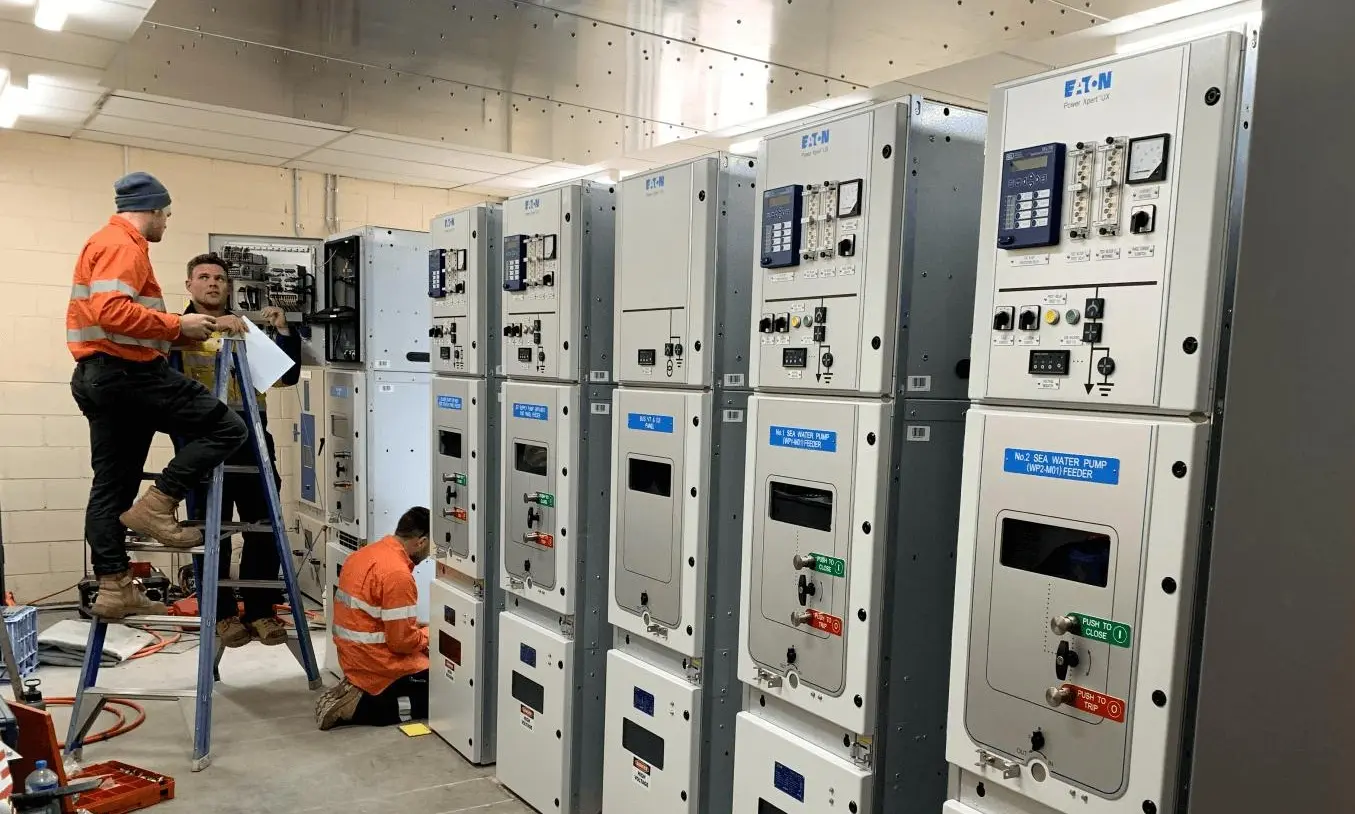
A suitable installation considers panel capacity, circuit protection, busbar arrangements, cable entry, electrical connections, earthing and accessibility for future maintenance. Proper coordination between the panel and the existing electrical infrastructure is important for reliable operation.
Hibrand Engineering provides electrical panel supply and installation solutions according to the technical requirements and intended use of the property.
Our electrical panel services include:
- LT Panel Supply and Installation: Supplying and installing Low Tension panels for power distribution in commercial buildings, industrial facilities and other properties.
- HT Panel Installation: Installation coordination for High Tension switchgear panels used in substations and higher-voltage electrical distribution systems, according to project requirements.
- PCC Panel Installation: Installing Power Control Centre panels for receiving and distributing electrical power to different sections of a facility.
- MCC Panel Installation: Installing Motor Control Centre panels for controlling and protecting motors used in industrial machinery, pumps and other equipment.
- Distribution Board Installation: Installing electrical distribution boards for distributing power to lighting, socket outlets and individual electrical circuits.
- APFC Panel Installation: Supplying and installing Automatic Power Factor Control panels to manage capacitor bank switching and maintain the required power factor.
- AMF Panel Installation: Installing Automatic Mains Failure panels for managing the changeover between utility supply and generator backup systems.
- PLC and Control Panel Installation: Installing electrical control panels incorporating PLCs, relays, contactors and associated components for industrial automation.
- VFD and Motor Starter Panels: Installing variable frequency drive and motor starter panels for controlling motor operation and speed.
- Panel Testing and Commissioning: Checking electrical connections, protection devices, control functions and relevant operating parameters before commissioning.
The selection of an electrical panel should be based on the actual load requirements, system voltage, fault level and intended application. Proper installation helps establish organised power distribution and supports safe equipment operation.
Electrical Panel Maintenance and Repair Services
Regular electrical panel maintenance helps maintain the condition and reliability of electrical distribution and control equipment. Over time, dust accumulation, loose connections, component deterioration and overheating can affect panel performance.
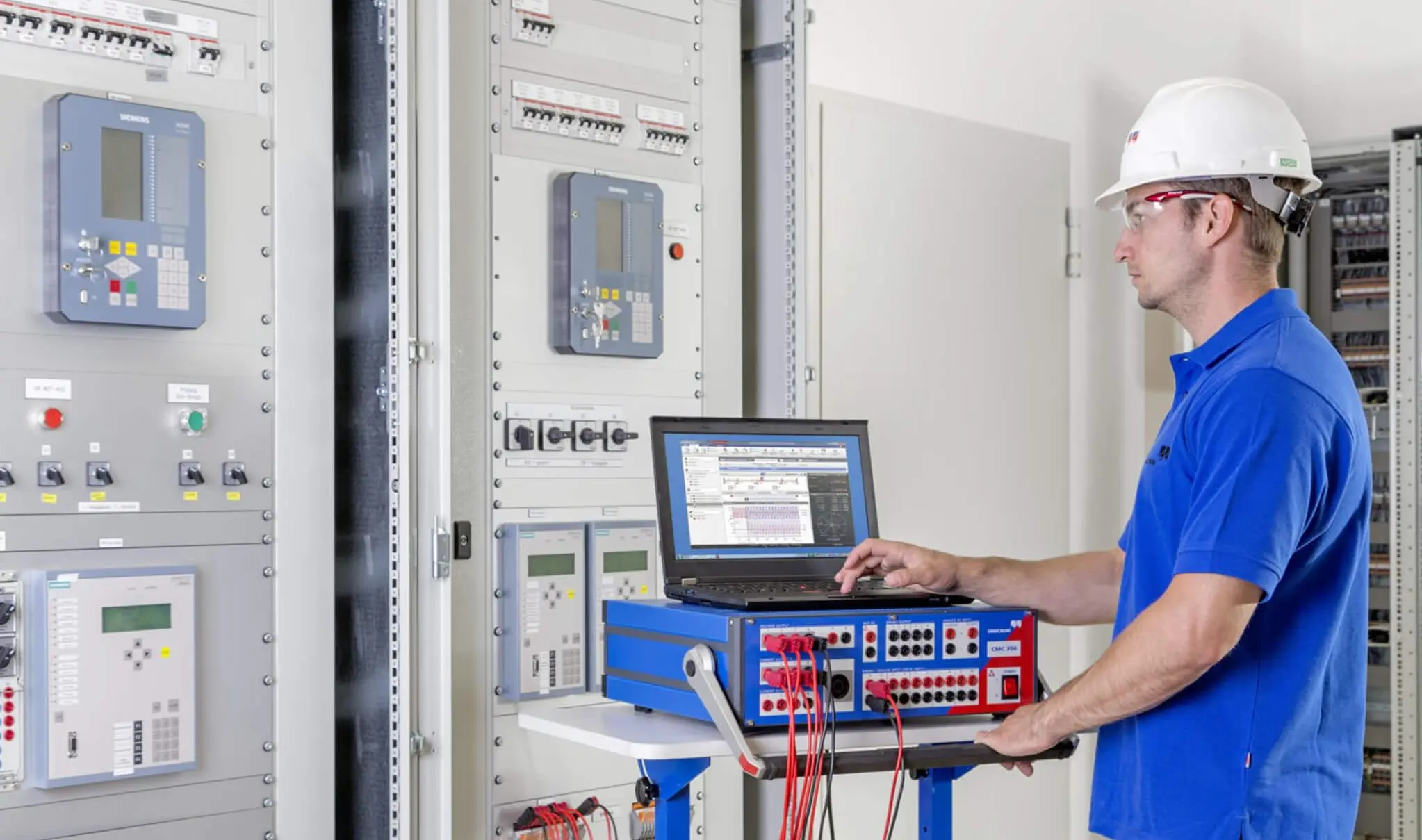
Without periodic inspection, these problems may result in frequent circuit breaker tripping, abnormal heating, electrical faults and unexpected interruptions. Identifying potential issues at an early stage helps reduce equipment damage and unnecessary downtime.
Hibrand Engineering provides electrical panel maintenance solutions according to the equipment type, operating environment and maintenance requirements.
Our electrical panel maintenance services include:
- Preventive Panel Maintenance: Periodic inspection of electrical panels to identify component deterioration, dust accumulation and other conditions affecting operation.
- Panel Cleaning and Inspection: Cleaning suitable panel surfaces and accessible internal areas after proper isolation, while checking for moisture, dust and corrosion.
- Busbar and Cable Connection Inspection: Checking busbar joints, cable terminations and electrical connections for looseness, overheating and visible damage.
- Circuit Breaker Inspection: Checking MCBs, MCCBs, ACBs and other protective devices for visible damage and operational issues.
- Contactor and Relay Inspection: Inspecting contactors, overload relays and protective relays for wear and abnormal operation.
- Thermal Inspection: Identifying abnormal temperature rise at electrical connections and components using suitable thermal inspection equipment.
- Electrical Testing: Carrying out applicable insulation resistance, continuity and earthing checks according to equipment specifications.
- Panel Troubleshooting: Identifying issues such as frequent tripping, overheating, abnormal electrical readings and control circuit failures.
- Component Replacement: Replacing defective or damaged electrical components with suitable compatible parts according to the panel specifications.
Maintenance frequency depends on equipment condition, operating hours, environmental conditions and manufacturer recommendations. Electrical panel inspection and servicing should be performed by qualified personnel using appropriate safety and isolation procedures.
Types of Electrical Panels
Electrical panels are designed for different power distribution, protection and control functions. The selection depends on the electrical system, connected equipment and intended application.
- LT Panels: Low Tension panels are used in low-voltage electrical distribution systems to receive and distribute power to different circuits and equipment.
- HT Panels: High Tension panels are used in higher-voltage distribution systems for switching, isolation and protection of electrical circuits.
- PCC Panels: Power Control Centre panels serve as the main power distribution point, supplying electricity to downstream panels and connected equipment.
- MCC Panels: Motor Control Centre panels control and protect multiple electrical motors using suitable switching and protection components.
- APFC Panels: Automatic Power Factor Control panels regulate capacitor bank switching to manage reactive power demand and improve power factor.
- AMF Panels: Automatic Mains Failure panels manage the transfer between utility power and generator supply during power interruptions.
- VFD Panels: Variable Frequency Drive panels control AC motor speed by adjusting the supply frequency and voltage.
- PLC Control Panels: These panels use programmable controllers and associated components to automate machinery and industrial processes.
- Distribution Boards: Distribution boards divide electrical power into individual outgoing circuits and provide suitable circuit protection.
Each panel type serves a specific purpose and must be selected according to the electrical load, protection requirements and overall system configuration.
Electrical Panel Components and Their Functions
An electrical panel consists of several components that work together to distribute power, control electrical equipment and protect connected circuits.
- Panel Enclosure: Houses and protects the internal electrical components against environmental conditions and accidental contact.
- Busbars: Copper or aluminium conductors used to distribute electrical power between incoming and outgoing circuits.
- Circuit Breakers: MCBs, MCCBs and ACBs interrupt electrical circuits under specified overload and fault conditions.
- Contactors: Electrically operated switching devices used for controlling motors and other electrical loads.
- Overload Relays: Protect motors against sustained overload conditions through the associated control circuit.
- Protective Relays: Monitor electrical parameters and initiate protective action when specified abnormal conditions occur.
- Current Transformers (CTs): Provide reduced current signals for electrical measurement and protection applications.
- Capacitor Banks: Used in APFC panels to compensate for reactive power demand and improve power factor.
- Meters and Indicators: Display electrical parameters such as voltage, current, power and energy consumption.
- Terminal Blocks and Earthing: Provide organised wiring connections and protective earthing arrangements.
The selection and arrangement of these components depend on the panel design, electrical ratings and applicable technical standards.
Electrical Panel Installation and Commissioning Process
Electrical panel installation requires proper coordination between the incoming power supply, electrical distribution network, cable infrastructure and connected equipment.
Hibrand Engineering follows a project-oriented approach to understand the requirements and coordinate the installation accordingly.
1. Understanding Project Requirements: The initial stage involves understanding the facility type, electrical load, supply voltage, number of circuits and intended panel application.
2. Site Assessment and Technical Planning: The installation site is evaluated to understand available space, incoming supply arrangements, cable routes, earthing infrastructure and environmental conditions.
3. Panel Selection and Specifications: Suitable panel configurations and components are identified according to the load requirements, current rating, fault level and protection arrangements.
4. Panel Supply and Installation: The selected panel is supplied and positioned at the designated location. Mounting, alignment, accessibility and installation clearances are checked.
5. Cable Connections and Integration: Incoming and outgoing cables are routed and terminated according to the approved electrical drawings. Earthing and associated electrical connections are also completed.
6. Electrical Testing and Inspection: Relevant insulation resistance, continuity, earthing and connection checks are carried out according to the equipment specifications and applicable procedures.
7. Testing and Commissioning: Switching devices, protective arrangements, control circuits and indication systems are checked to verify proper operation before commissioning.
8. Final Inspection and Handover: The completed installation is reviewed according to the agreed scope, and relevant test records and operating information are provided as applicable.
Electrical Panel Solutions for Different Applications
Electrical panel requirements vary according to the purpose, electrical load and operating conditions of a property. Hibrand Engineering provides panel supply and installation solutions for different types of facilities.
- Residential Buildings: Main distribution panels and distribution boards for apartments, houses and residential complexes.
- Corporate Offices: Electrical panels for lighting, workstations, HVAC equipment and other office infrastructure.
- Commercial Buildings: Power distribution panels for shopping centres, retail establishments, hotels and commercial properties.
- Industrial Facilities: PCC, MCC, APFC and specialised control panels for manufacturing plants, machinery and industrial equipment.
- Healthcare Facilities: Electrical distribution arrangements for hospitals, clinics, laboratories and other healthcare premises according to applicable requirements.
- Educational Institutions: Distribution and control panels for schools, colleges, laboratories and administrative buildings.
- Warehouses and Infrastructure: Electrical panels for lighting, pumps, material handling equipment and other infrastructure systems.
Each installation is planned according to the connected electrical load, site conditions and functional requirements of the facility.
Factors to Consider Before Selecting an Electrical Panel
Selecting the right electrical panel requires consideration of the connected load, electrical supply, protection requirements and installation environment. The following factors should be evaluated before starting a panel installation:
- Electrical Load: Assess the connected load and maximum demand of the installation, including motors, lighting, HVAC equipment and machinery.
- Voltage and Current Rating: Select a panel with suitable voltage and current ratings according to the incoming supply and connected equipment.
- Short-Circuit Rating: Ensure that the panel and protective devices are suitable for the prospective fault current at the installation point.
- Protection Devices: Select appropriate circuit breakers and protective relays according to the circuit requirements and protection coordination.
- Busbar Capacity: Consider busbar material, dimensions and current-carrying capacity according to the electrical design.
- Enclosure Protection: Select a suitable enclosure and IP rating according to dust, moisture and other environmental conditions.
- Installation Space: Ensure sufficient space for panel positioning, cable entry, ventilation, operation and maintenance access.
- Earthing Requirements: Provide suitable protective earthing and bonding arrangements according to the electrical installation design.
- Future Expansion: Consider additional circuits and possible increases in electrical load when planning panel capacity.
- Maintenance Accessibility: Ensure that internal components, cable connections and protective devices can be accessed safely for inspection and servicing.
Proper consideration of these factors helps establish a suitable panel configuration and supports reliable electrical distribution over time.
Why Choose Hibrand Engineering for Panel Supply and Installation?
Selecting an appropriate engineering partner is important for installing electrical panels that meet the technical and operational requirements of a property. Equipment selection, installation coordination and testing all influence the performance of the completed system.
Hibrand Engineering focuses on understanding project requirements and providing suitable electrical panel solutions through proper planning and coordinated installation.
- Requirement-Based Planning: Panel selection is considered according to electrical load, supply requirements, property layout and intended application.
- Multiple Panel Solutions: Solutions for LT, PCC, MCC, APFC and other electrical panel requirements are evaluated according to the project scope.
- Suitable Equipment Selection: Attention is given to panel ratings, component compatibility and protection requirements.
- Coordinated Installation: Panel positioning, cable connections, earthing and electrical integration are considered together.
- Testing and Inspection: Installed panels and associated connections are checked according to the agreed project requirements.
- Maintenance-Oriented Approach: Accessibility and servicing requirements are considered to support future inspection and maintenance.
Our objective is to provide practical electrical panel solutions that support organised power distribution and reliable equipment operation.
Panel Supply and Installation Services Across Multiple Locations
Hibrand Engineering LLP undertakes electrical panel supply and installation projects based on individual requirements across Mumbai and selected locations in Maharashtra.
Our project coverage includes Mumbai and surrounding regions, along with Thane, Navi Mumbai, Pune, Nashik and selected cities across India. Project feasibility and execution arrangements are evaluated according to the location, scope of work and site requirements.
Whether you require a distribution panel for a commercial property, an MCC panel for an industrial facility or electrical panels for a new building project, our focus remains on providing suitable solutions based on your technical requirements.
Contact Hibrand for Panel Supply and Installation Services
Planning a new electrical panel installation or looking for suitable power distribution equipment for your property? Hibrand Engineering LLP provides panel supply and installation solutions according to project requirements.
Get in touch with our team to discuss your electrical panel requirements, understand suitable options and plan your project.
Hibrand Engineering LLP
Email: info@hibrandengineering.com
Phone: +91 9769720675
Frequently Asked Questions
Q. What is included in electrical panel supply and installation services?
These services may include panel selection, equipment supply, installation, cable termination, earthing connections, electrical testing and commissioning. The scope depends on the panel type and project requirements.
Q. What are the different types of electrical panels?
Common types include LT panels, HT panels, PCC panels, MCC panels, APFC panels, AMF panels, distribution boards, VFD panels and PLC control panels.
Q. What is the difference between PCC and MCC panels?
A PCC panel is primarily used for receiving and distributing electrical power to different sections of a facility. An MCC panel is designed to control and protect electrical motors and associated equipment.
Q. What is the purpose of an APFC panel?
An APFC panel automatically switches capacitor banks according to reactive power demand to maintain the required power factor in an electrical installation.
Q. How do I select the correct electrical panel?
Panel selection depends on connected load, voltage rating, current capacity, short-circuit level, protection requirements, installation space and future expansion needs.
Q. What is included in electrical panel maintenance?
Maintenance generally includes panel inspection, cleaning, busbar and cable connection checks, circuit breaker inspection, electrical testing and troubleshooting.
Q. How often should electrical panels be inspected?
Inspection frequency depends on the equipment type, operating environment, electrical loading and manufacturer recommendations. Periodic inspection helps identify overheating, loose connections and component deterioration.
Q. Can an existing electrical panel be upgraded?
Yes. Existing panels may be upgraded depending on their condition, available capacity and system compatibility. Possible improvements include replacing protective devices, adding outgoing feeders and upgrading panel components.
Q. Does Hibrand Engineering provide industrial electrical panel installation?
Hibrand Engineering provides project-based electrical engineering solutions for commercial and industrial facilities. Panel selection and installation requirements are evaluated according to the project scope.
Q. How can I request a quotation for panel installation?
You can contact Hibrand Engineering with your project location, required panel type, electrical load details and installation requirements. Electrical drawings, single-line diagrams and equipment specifications can also help in preparing a suitable proposal.
UPS Installation, Networking Infrastructure & Security Solutions