 +91 9769720675
 info@hibrandengineering.com


Heating, Ventilation and Air Conditioning (HVAC) systems play an important role in maintaining comfortable indoor environments and suitable air circulation across residential, commercial and industrial properties. A properly installed HVAC system helps regulate indoor temperature, manage ventilation, control humidity and maintain the air quality required for different types of spaces.
However, the performance of an HVAC system depends on more than the selection of air conditioning equipment. Correct system sizing, equipment placement, ductwork, refrigerant piping, electrical connections and ventilation arrangements all influence its operation. Regular maintenance is equally important to maintain cooling and heating performance, reduce unnecessary energy consumption and identify potential equipment problems.
Hibrand Engineering LLP provides HVAC installation and maintenance solutions based on the requirements of the property, building layout and intended application. From air conditioning installations to ventilation arrangements and periodic system maintenance, our approach focuses on selecting suitable equipment and coordinating the installation according to project requirements.
HVAC Installation Services
HVAC installation involves setting up heating, cooling and ventilation equipment to maintain the required indoor environmental conditions. The installation approach depends on the size of the premises, number of rooms or work areas, occupancy, ventilation requirements and expected operating conditions.
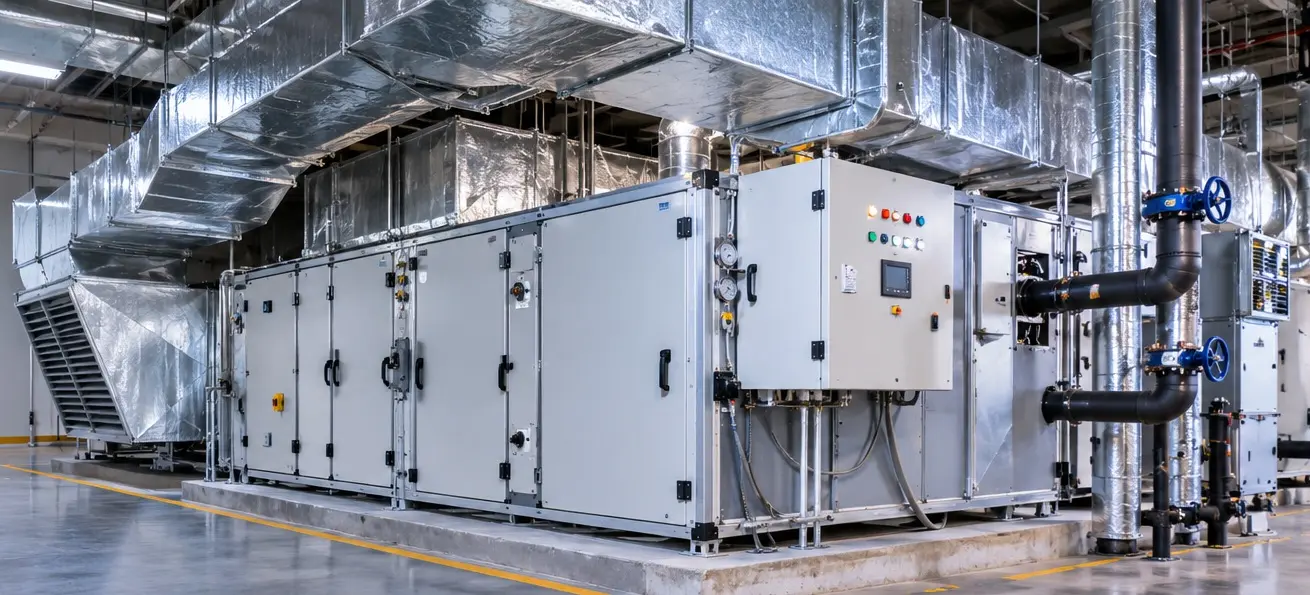
A suitable HVAC installation considers equipment capacity, indoor and outdoor unit locations, airflow distribution, duct routing, refrigerant piping, drainage arrangements and electrical connections. These factors need to be coordinated to support proper system operation and convenient future maintenance.
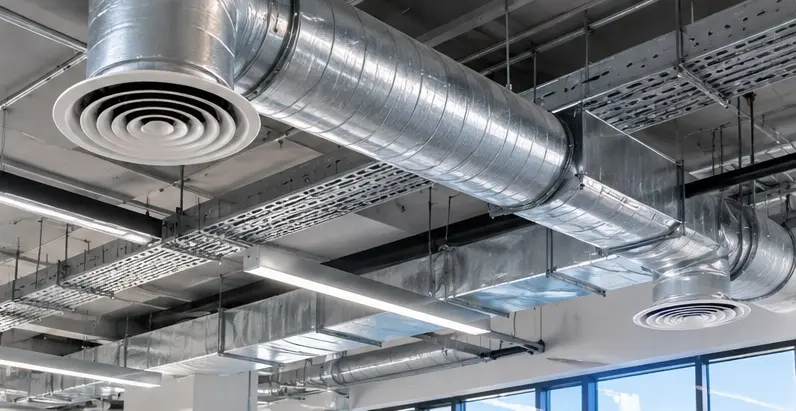
Hibrand Engineering provides HVAC installation solutions according to the technical requirements and intended use of the property.
Our HVAC installation services include:
- Air Conditioning System Installation: Installing suitable air conditioning systems for residential, commercial and other facilities according to the cooling requirements, available space and intended application.
- Split and Ducted AC Installation: Installing compatible split and ducted air conditioning arrangements, including indoor and outdoor unit positioning, refrigerant piping, condensate drainage and associated connections.
- Centralized HVAC System Installation: Installation of centralized air conditioning arrangements for larger facilities, where required by the project scope, considering equipment placement, air distribution and system integration.
- Ventilation System Installation: Setting up ventilation arrangements to support indoor air circulation and the movement of fresh and exhaust air in accordance with the requirements of the premises.
- HVAC Ductwork and Air Distribution: Planning and installing ductwork, air outlets, diffusers and associated components to distribute conditioned air across the required areas.
- Refrigerant Piping and Drainage: Providing suitable refrigerant piping connections and condensate drainage arrangements according to the equipment specifications and installation requirements.
- HVAC Electrical Connections: Coordinating the electrical connections, power supply and associated controls required for the installed HVAC equipment.
- System Testing and Commissioning: Checking equipment operation, airflow, drainage, temperature performance and relevant system parameters before completing the installation.
A properly planned installation helps establish suitable indoor conditions while supporting efficient equipment operation. The selection of equipment and installation arrangement should always be based on the actual cooling, heating and ventilation requirements of the property.
HVAC Maintenance and Repair Services
Regular HVAC maintenance helps keep air conditioning and ventilation systems operating under suitable conditions. Over time, dust accumulation, clogged filters, blocked drainage lines, loose electrical connections and refrigerant-related problems can affect system performance.
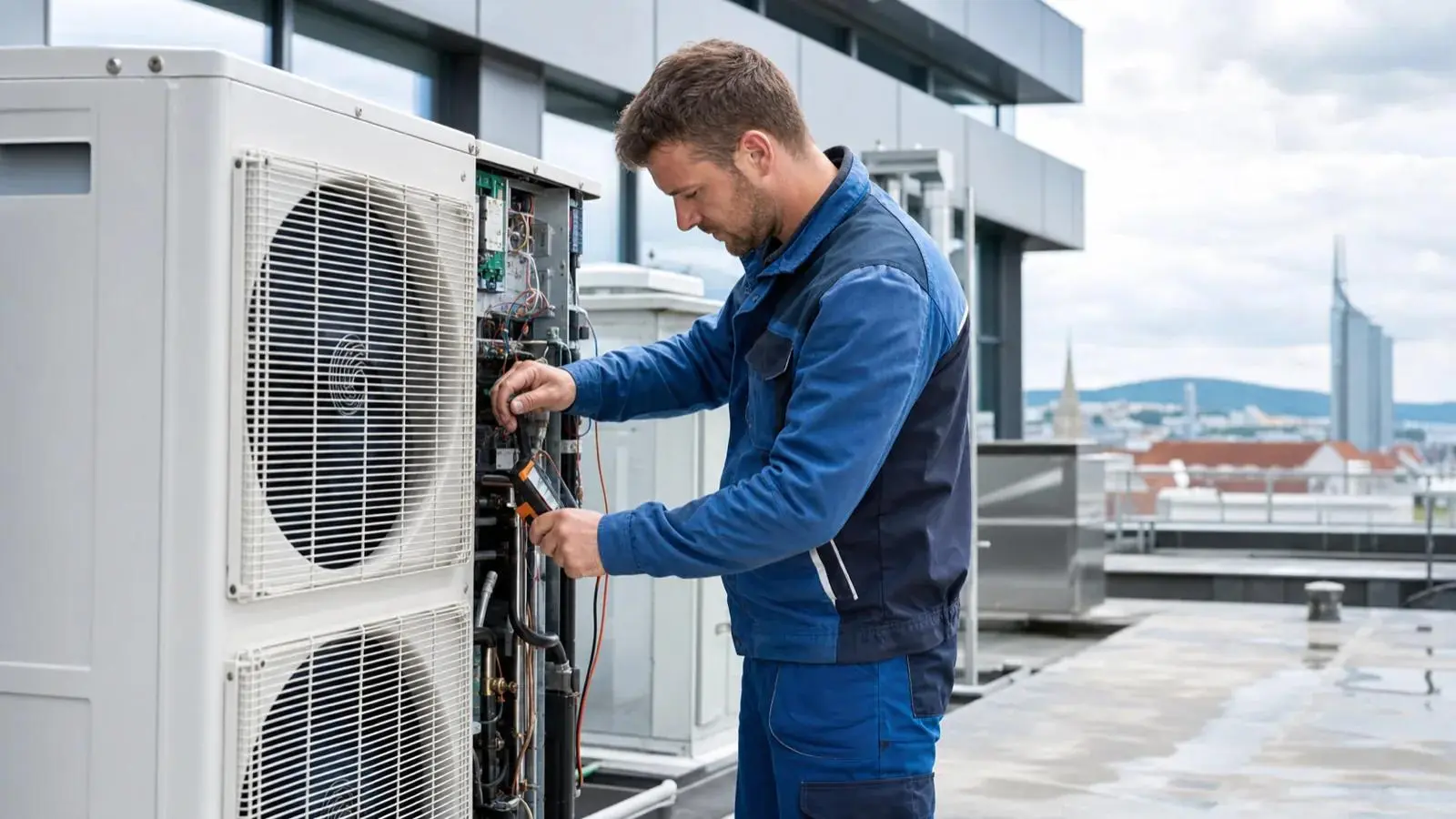
Without periodic inspection, these issues may result in reduced cooling or heating performance, poor airflow, abnormal noise, water leakage and increased energy consumption. Identifying problems at an early stage helps avoid unnecessary equipment stress and unexpected interruptions.
Hibrand Engineering provides HVAC maintenance solutions according to the equipment type, operating environment and maintenance requirements of the installation.
Our HVAC maintenance services include:
- Preventive HVAC Maintenance: Periodic inspection of HVAC equipment and associated components to identify wear, dirt accumulation, operational issues and conditions that may affect system performance.
- Air Filter Inspection and Cleaning: Checking air filters for dust accumulation and cleaning or replacing them when required to maintain suitable airflow through the system.
- Indoor and Outdoor Unit Inspection: Checking air conditioning units, coils, fans, mounting arrangements and associated components for visible damage, dirt accumulation and operating issues.
- Cooling and Heating Performance Checks: Assessing system operation and temperature performance to identify problems affecting the required indoor conditions.
- Refrigerant System Inspection: Inspecting refrigerant piping, connections and relevant operating parameters to identify possible leakage or other refrigerant-related problems. Refrigerant handling and charging are carried out according to applicable requirements and equipment specifications.
- Drainage System Maintenance: Inspecting condensate drain lines and drainage arrangements to identify blockages, water leakage and improper drainage.
- Electrical and Control Inspection: Checking relevant electrical connections, protective devices, thermostats, control panels and associated components for operational problems.
- HVAC Troubleshooting: Identifying issues such as insufficient cooling, poor airflow, unusual noise, frequent system shutdowns, water leakage and abnormal equipment operation.
- Performance Assessment: Evaluating the operating condition of the HVAC system and identifying maintenance requirements or possible improvements.
The maintenance frequency depends on equipment type, operating hours, environmental conditions and manufacturer recommendations. Regular inspection and servicing help maintain system performance and reduce the likelihood of unexpected breakdowns.
HVAC System Components and Installation Requirements
An HVAC system consists of several interconnected components that work together to regulate temperature and maintain indoor air circulation. The exact arrangement varies depending on whether the installation uses individual air conditioning units, ducted systems or centralized HVAC equipment.
Understanding the function of these components is important when planning an installation or assessing maintenance requirements.
- Air Conditioning Units: Indoor and outdoor units form the main components of many air conditioning systems. Their capacity, positioning and compatibility influence cooling or heating performance.
- Compressors: Compressors circulate refrigerant through the refrigeration cycle and play an important role in the cooling or heating operation of air conditioning equipment.
- Evaporator and Condenser Coils: These heat exchangers facilitate heat transfer between the refrigerant and surrounding air. Their condition directly affects system performance.
- Air Handling Units (AHUs): AHUs condition and circulate air through a building, typically using filters, fans and heat exchange components. They are commonly used in larger commercial and industrial installations.
- Fans and Blowers: These components move air through indoor units, ventilation equipment and ductwork to maintain the required airflow.
- Air Filters: Filters capture airborne particles from the circulating air. Their condition and maintenance are important for airflow and indoor air quality.
- HVAC Ductwork: Ducts transport conditioned or ventilated air between equipment and occupied spaces. Proper sizing, routing and sealing help support effective air distribution.
- Thermostats and Control Systems: These devices regulate system operation according to temperature settings and other control requirements.
- Refrigerant Piping: Refrigerant lines connect relevant components and must be installed with suitable pipe sizing, insulation and connection practices.
- Condensate Drainage: Drainage arrangements remove moisture collected during cooling operation and help prevent water accumulation around the equipment.
Each component must be selected, installed and maintained according to the HVAC system design and equipment manufacturer’s specifications. Proper coordination between these components helps support reliable operation.
HVAC Installation and Commissioning Process
HVAC installation requires proper planning and coordination between equipment, electrical infrastructure, ventilation arrangements and building layouts. The installation process varies depending on the size and complexity of the project.
Hibrand Engineering follows a project-oriented approach to understand the requirements and plan the installation accordingly.
1. Understanding Project Requirements: The initial stage involves understanding the type of property, intended application, number of occupied areas, cooling or heating requirements, ventilation needs and expected operating conditions. This information helps establish the scope of the HVAC installation.
2. Site Assessment and Technical Planning: The site is evaluated to understand the building layout, available installation space, existing electrical infrastructure, ventilation arrangements and possible equipment locations. Factors such as ceiling height, window exposure, occupancy and heat-generating equipment may also influence the installation requirements.
3. HVAC Equipment Selection: Suitable HVAC equipment is identified according to the estimated heating or cooling load, required airflow, equipment specifications and project budget. The selection may include air conditioning units, ventilation equipment, fans, ductwork, controls and associated accessories.
4. Equipment Installation and Connection: The selected equipment is installed at the designated locations. This stage may involve indoor and outdoor unit mounting, ductwork installation, refrigerant piping, condensate drainage, electrical connections and installation of associated components.
5. System Configuration and Testing: After installation, relevant equipment and controls are configured according to the manufacturer’s requirements. Connections, drainage, airflow, electrical operation and other applicable parameters are checked to identify installation issues.
6. Testing and Commissioning: The completed system is operated under suitable conditions to verify its functionality and performance. Temperature operation, airflow, equipment response and other relevant operating parameters are assessed according to the system type and project requirements.
7. Final Inspection and Handover: The installation is reviewed according to the agreed scope of work. Any identified issues are addressed, and relevant operating and maintenance information is provided as applicable.
HVAC Maintenance Process
HVAC maintenance involves checking the condition of the installed equipment, cleaning or servicing relevant components and identifying problems that may affect system performance.
A typical maintenance activity may include the following steps:
1. Initial System Inspection: The equipment is inspected to understand its operating condition, visible damage, unusual noise, airflow problems and any reported performance issues.
2. Filter and Coil Inspection: Air filters, evaporator coils and condenser coils are checked for dust and dirt accumulation. Cleaning or replacement is carried out as required and according to the equipment manufacturer’s recommendations.
3. Electrical and Mechanical Checks: Relevant electrical connections, fans, motors, controls and mechanical components are inspected to identify loose connections, abnormal operation or visible signs of wear.
4. Refrigerant and Drainage Assessment: Relevant refrigerant circuit operating conditions and piping connections are checked where applicable. Condensate drainage is also inspected to identify blockages or leakage.
5. Operational Performance Testing: The system is operated to assess cooling or heating response, airflow, temperature conditions and other relevant operating parameters.
6. Maintenance Findings and Recommendations: Identified problems and maintenance requirements are reviewed, and suitable corrective actions or further servicing recommendations are communicated according to the agreed scope.
The exact maintenance procedure depends on the equipment configuration, system condition and manufacturer’s service instructions.
HVAC Solutions for Different Applications
HVAC requirements vary depending on the purpose, occupancy and operating conditions of a property. A residential air conditioning installation has different requirements from a commercial office, industrial facility or large institutional building.
Hibrand Engineering develops HVAC installation and maintenance solutions according to the specific requirements of each application.
- Residential Properties: Air conditioning installation, ventilation arrangements and maintenance for apartments, houses and residential buildings to maintain comfortable indoor conditions.
- Corporate Offices: HVAC installations for office spaces, meeting rooms, workstations and common areas, considering occupancy, equipment heat loads and indoor air circulation.
- Commercial Buildings: Air conditioning and ventilation arrangements for retail spaces, shopping facilities, commercial establishments and other occupied areas.
- Industrial Facilities: HVAC and ventilation installations for suitable industrial applications, considering operating conditions, equipment heat loads, air circulation and environmental requirements.
- Educational and Institutional Facilities: HVAC arrangements for classrooms, laboratories, administrative offices and other institutional spaces according to occupancy and ventilation requirements.
- Healthcare and Specialised Facilities: HVAC installations for facilities requiring specific temperature, ventilation or air quality conditions, subject to the applicable technical standards and project specifications.
Each installation is planned according to the functional requirements, site conditions and expected use of the space.
Factors to Consider Before Installing an HVAC System
Selecting an appropriate HVAC system requires consideration of the building layout, cooling or heating requirements, ventilation needs and expected operating conditions. Proper planning helps avoid equipment selection problems, unnecessary energy consumption and installation modifications.
The following factors should be considered before starting an HVAC installation:
- Cooling and Heating Load: Estimate the heating and cooling requirements of the space by considering its area, ceiling height, occupancy, insulation, windows, solar heat gain and internal equipment loads. Equipment capacity should be selected based on the calculated load rather than floor area alone.
- Equipment Capacity: Select HVAC equipment with suitable capacity for the intended application. Undersized systems may struggle to maintain the required temperature, while oversized equipment may lead to inefficient operation and poor humidity control.
- Ventilation Requirements: Consider the quantity of fresh air required, exhaust requirements and indoor air circulation. Ventilation needs depend on occupancy, building use and applicable standards.
- Indoor and Outdoor Unit Placement: Choose appropriate locations for equipment installation while considering accessibility, airflow, noise, maintenance clearance and environmental exposure.
- Ductwork and Air Distribution: Plan duct sizing, routing, insulation, air outlets and return air arrangements to support suitable airflow distribution throughout the premises.
- Electrical Requirements: Check the power supply, electrical load, protective devices, earthing and associated connections required for the selected HVAC equipment.
- Refrigerant Piping and Drainage: Consider pipe length, pipe sizing, insulation, equipment connection requirements and suitable condensate drainage arrangements.
- Energy Efficiency: Consider equipment efficiency ratings, operating schedules, control systems and expected usage when selecting an HVAC system. Proper installation and maintenance also influence actual energy performance.
- Indoor Air Quality: Consider air filtration, ventilation, humidity management and the operating environment to establish suitable indoor air conditions.
- Installation Environment: Evaluate temperature exposure, dust, moisture, corrosion risks and available equipment space before selecting installation locations.
- Maintenance Accessibility: Ensure that filters, coils, electrical panels, drainage connections and other serviceable components can be accessed for periodic inspection and maintenance.
- Future Expansion: Consider possible changes in occupancy, building usage and cooling requirements when planning HVAC infrastructure.
Considering these factors during the planning stage helps establish a suitable HVAC arrangement and supports reliable system operation over time.
Why Choose Hibrand Engineering for HVAC Installation and Maintenance?
Selecting an appropriate engineering partner is important for installing HVAC infrastructure that meets the technical and operational requirements of a property. Equipment selection, installation coordination and maintenance planning all influence the performance of the completed system.
Hibrand Engineering focuses on understanding project requirements and developing suitable HVAC solutions through proper planning, equipment selection and coordinated installation.
- Requirement-Based Planning: HVAC installation arrangements are developed after considering the property layout, intended application, equipment requirements and operating conditions.
- Installation and Maintenance Solutions: HVAC installation and maintenance requirements can be considered together to support the long-term operation of the installed equipment.
- Practical Equipment Selection: Attention is given to equipment capacity, compatibility, functionality and project requirements when identifying suitable HVAC components.
- Coordinated Installation: HVAC equipment, ductwork, refrigerant piping, drainage and electrical connections are considered together wherever their installation requirements overlap.
- System Testing and Inspection: Installed equipment and associated connections are checked according to the agreed project scope to identify potential installation issues.
- Maintenance-Oriented Approach: Accessibility and servicing requirements are considered during installation to simplify future inspection and maintenance activities.
Our objective is to provide practical HVAC solutions that support indoor comfort, suitable air circulation and reliable equipment operation.
HVAC Installation and Maintenance Services Across Multiple Locations
HVAC installation and maintenance requirements vary according to the property type, building size, equipment specifications and operating conditions. Hibrand Engineering LLP undertakes projects based on individual requirements and provides engineering solutions across Mumbai and other selected locations in Maharashtra.
Our project coverage includes Mumbai and its surrounding regions, along with locations such as Thane, Navi Mumbai, Pune, Nashik and selected cities across India. Project feasibility and execution arrangements are evaluated according to the location, scope of work and site requirements.
Whether you require air conditioning installation for an office, HVAC infrastructure for a commercial building, ventilation arrangements for an industrial facility or maintenance of an existing HVAC system, our focus remains on providing suitable solutions based on your project requirements.
Contact Hibrand for HVAC Installation and Maintenance Services
Planning a new air conditioning installation, looking for HVAC maintenance or considering ventilation improvements for your property? Hibrand Engineering LLP provides HVAC installation and maintenance solutions based on your project requirements.
Whether the requirement involves a residential property, commercial establishment, office or industrial facility, get in touch with our team to discuss your project, understand the available solutions and plan the next steps.
Hibrand Engineering LLP
Email: info@hibrandengineering.com
Phone: +91 9769720675
Frequently Asked Questions
Q. What services are included in HVAC installation?
HVAC installation services may include air conditioning equipment installation, ventilation arrangements, ductwork, refrigerant piping, condensate drainage, electrical connections, system configuration and commissioning. The exact scope depends on the type of HVAC system and project requirements.
Q. What is included in HVAC maintenance?
HVAC maintenance generally includes filter inspection and cleaning, indoor and outdoor unit checks, coil inspection, electrical and control checks, drainage inspection, refrigerant system assessment and operational performance testing. Maintenance activities depend on the equipment type and manufacturer recommendations.
Q. How often should an HVAC system be serviced?
HVAC maintenance frequency depends on equipment type, operating hours, environmental conditions and manufacturer recommendations. Air filters may require more frequent cleaning or replacement in dusty environments, while other components should be inspected according to the recommended service schedule.
Q. What is the difference between HVAC and air conditioning?
Air conditioning primarily refers to controlling indoor temperature and humidity through cooling or heating equipment. HVAC stands for Heating, Ventilation and Air Conditioning and covers a broader range of functions, including temperature regulation, air circulation, ventilation and indoor environmental control.
Q. How do I determine the right HVAC capacity for my building?
HVAC capacity is determined by calculating the heating or cooling load of the space. Factors such as floor area, ceiling height, insulation, windows, occupancy, lighting, equipment heat loads and outdoor conditions influence the required capacity. A proper load assessment helps identify suitable equipment.
Q. What are the common signs that an HVAC system requires maintenance?
Common signs include reduced cooling or heating, weak airflow, unusual noise, water leakage, unpleasant odours, frequent system shutdowns, abnormal temperature variations and increased energy consumption. These symptoms should be inspected to identify the underlying problem.
Q. What is the purpose of HVAC ductwork?
HVAC ductwork transports conditioned air from the air handling or air conditioning equipment to different areas of a building. Proper duct sizing, routing, sealing and insulation help maintain suitable airflow distribution and reduce unnecessary energy losses.
Q. What is the difference between ventilation and air conditioning?
Ventilation involves supplying fresh air and removing stale or contaminated indoor air. Air conditioning primarily regulates indoor temperature and humidity. Both functions can work together to maintain suitable indoor environmental conditions.
Q. Can an existing HVAC system be upgraded or modified?
Existing HVAC systems may be upgraded or modified depending on their condition, equipment compatibility and building requirements. Possible improvements may include equipment replacement, ductwork modifications, control upgrades and ventilation improvements. A site assessment helps determine suitable options.
Q. Why is HVAC preventive maintenance important?
Preventive maintenance helps identify developing equipment problems, maintain airflow, improve operational reliability and reduce the likelihood of unexpected breakdowns. It also helps keep components such as filters, coils, fans and drainage arrangements in suitable operating condition.
Q. Can HVAC systems improve indoor air quality?
HVAC systems can support indoor air quality through suitable ventilation, air filtration and humidity management. However, the results depend on system design, filter selection, maintenance, fresh air supply and the specific requirements of the occupied space.
Q. Does Hibrand Engineering provide HVAC solutions for commercial and industrial properties?
Hibrand Engineering provides project-based engineering solutions for different types of properties, including commercial and industrial facilities. The HVAC installation and maintenance scope is determined according to the site conditions and project requirements.
Q. How can I get a quotation for HVAC installation or maintenance?
You can contact Hibrand Engineering with your project location, type of property, approximate area, existing equipment details and HVAC requirements. Sharing available building layouts, equipment specifications and the intended scope of work can also help in understanding the project and preparing a suitable proposal.
UPS Installation, Networking Infrastructure & Security Solutions